
How fixed are our early assumptions?
A gentle effort to feel at home in a climate and a life that once felt unfamiliar.
BELONGING
Margarita Christen Psychologist
1/19/20262 min read
How fixed are our early assumptions?
I grew up in a city where warmth was constant, almost unquestioned. Seasons blurred into one another, and cold was more of a concept than a lived experience. Ice, when it appeared, belonged in glasses or freezers. It was temporary. It melted quickly, as if it knew it didn’t belong.
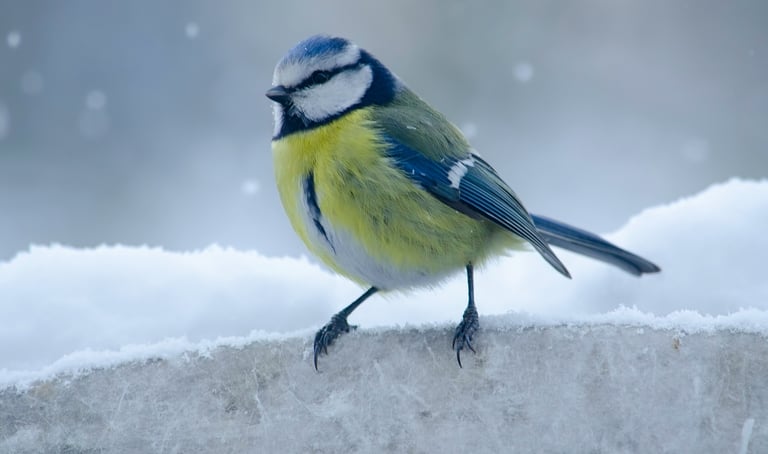
So even now, years later, standing in a colder place, I’m amazed when I see ice surviving outdoors. There’s a quiet shock in realizing that what once felt impossible is, in fact, normal here. The world did not change to accommodate my expectations; I had to change instead.
That small moment—ice on the ground—often pulls me inward. It reminds me how fixed our early assumptions can be. How deeply our first environments shape what feels “natural” or “right.” Even after years of growing, learning, and relocating, some parts of us remain anchored in the climate of our childhoods.
I’ve grown older. I’ve grown differently. Family members have changed, relationships have evolved, and life has taken turns I could not have imagined back then. On the surface, so much has shifted. And yet, something of that warm city still lives in me—quietly reacting, quietly surprised.
Perhaps this is how predispositions work. They don’t disappear just because time passes. They soften, maybe loosen, but they remain part of the lens through which we see the world. Growth doesn’t always mean erasing where we came from; sometimes it means learning to notice when our inner climate doesn’t match the external one.
The ice teaches me this again and again. That difference doesn’t need to be dramatic to be meaningful. That adaptation can coexist with attachment. And that even as we learn to live in new temperatures—emotional or literal—there will always be moments when the past gently taps us on the shoulder and says, remember.
Adler might say that the child I once was still helps organize how I meet the world today. These early impressions don’t trap us; they orient us. The ice on the ground reminds me that while our style of life is shaped early, we are always free to reinterpret it—and to choose, again and again, how we belong in the world we now inhabit.
If this reflection resonates, consider it an invitation to look more closely at your own predispositions—how early experiences may still be shaping your sense of belonging today. And if you’d like a space to explore that together, you’re welcome to reach out.
Margarita Christen - 2026 All rights reserved ®
Some images are from Unsplash








Get your 20-min clarity call — no commitment


Trusted by
CHE-388.109.123
GLN 7601009544842

Location in the city centre!